

At GDC 2025, we introduced early explorations into how AI could support game development and play — from Razer AI QA Copilot to Razer Gamer Copilot and the foundations of WYVRN.
One year later, at GDC 2026, those ideas return as fully developed systems.
Over the past year, Razer AI has evolved from concept-stage introductions into applied tools designed to support production workflows, digital task management, and immersive player experiences. This year’s showcase reflects that progression — AI that works alongside developers and creators to streamline complexity while preserving creative control.
Here’s what we’re bringing to GDC 2026.
From Gamer Copilot to Razer AVA
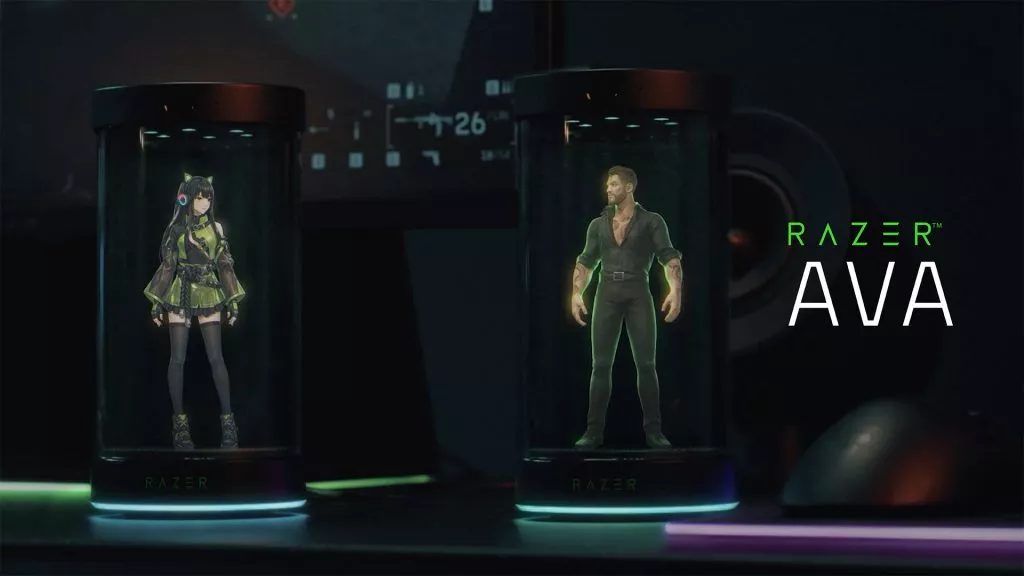
Razer Gamer Copilot began as an exploration into intelligent gameplay assistance. That concept evolved into Project AVA and now advances further at GDC 2026 as Razer AVA.
Powered by agentic AI, Razer AVA moves beyond prompt-and-response interaction. It can interpret goals, break them into steps, and execute workflows across connected applications and services.
This enables coordination of schedules, task management, application launching, and broader digital organization across gaming and productivity environments.
The evolution from last year’s concept reflects a broader direction for AI at Razer — building systems that simplify digital interactions and reduce unnecessary friction while keeping users in control.
Sign-ups for the Razer AVA beta are now open via Razer Cortex, with early access beginning in Q2 2026.
Smarter QA Integration with Razer QA Companion-AI
While Razer AVA explores how agentic AI can simplify everyday digital tasks, Razer is also bringing AI directly into the game development pipeline.
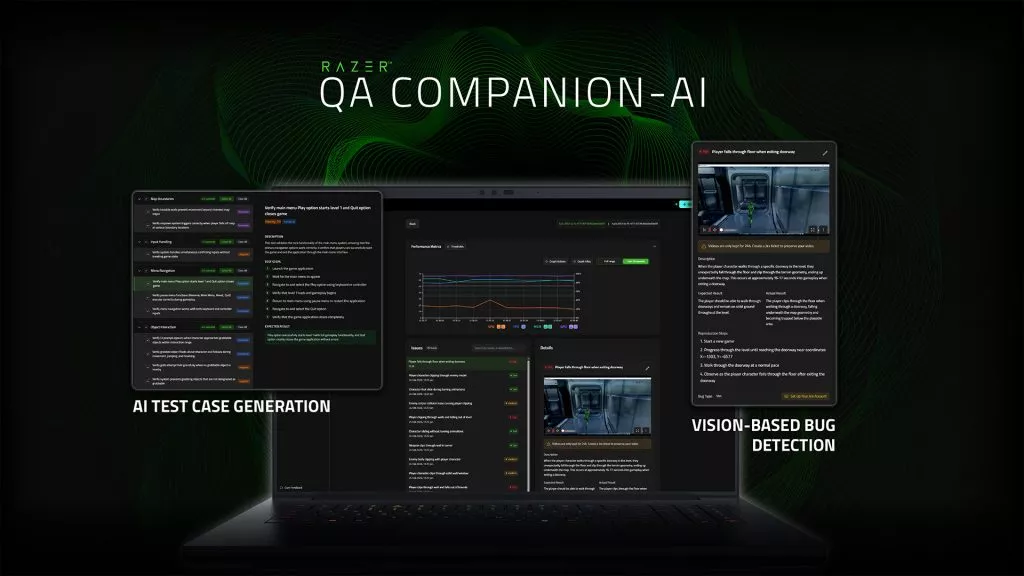
At GDC 2025, the company introduced AI QA Copilot as an early concept for AI-assisted testing. At GDC 2026, that concept has matured into Razer QA Companion-AI, designed to integrate into existing QA environments without additional SDKs, plugins, or code changes.
Razer QA Companion-AI analyzes gameplay footage to identify visual issues, generates structured bug reports with reproducible steps, and integrates directly into tracking systems. It also monitors performance metrics such as FPS, CPU, GPU, and memory in real time.
The outcome is greater efficiency across QA processes, enabling teams to focus on gameplay refinement and quality improvements.
For developers, this supports faster iteration and clearer issue tracking. For players, it contributes to stronger launch stability and more polished releases.
Expanding Immersion Through WYVRN
At GDC 2025, WYVRN introduced the foundation for Razer’s AI-powered developer ecosystem. At GDC 2026, that ecosystem continues to expand.
Through WYVRN, developers can bring together technologies such as Razer Sensa™ HD Haptics, Razer Chroma™ RGB, and THX Spatial Audio+ within their existing development workflows. This enables adaptive immersive experiences that respond dynamically to gameplay, creating more tailored sensory feedback for players.
The focus is on improving integration efficiency and long-term maintainability, enabling game developers to implement immersive technologies more seamlessly while maintaining creative direction.
For players, this results in gameplay environments where lighting, audio, and haptics react more consistently and cohesively to in-game events.
Why Razer at GDC 2026 Matters
GDC is where emerging technologies meet production needs. Returning in 2026 with evolved systems demonstrates how Razer AI has progressed from early exploration into applied tools supporting:
- Quality assurance
- Digital workflow management
- Immersive gameplay systems
Across development and play, the focus remains consistent: enhance efficiency, support creativity, and strengthen the final player experience.
If you’re attending GDC 2026, check out our Discord to see how you can visit us at the Festival of Gaming for live demos and technical walkthroughs. For full details on what we’re showcasing, explore our GDC 2026 landing page.
